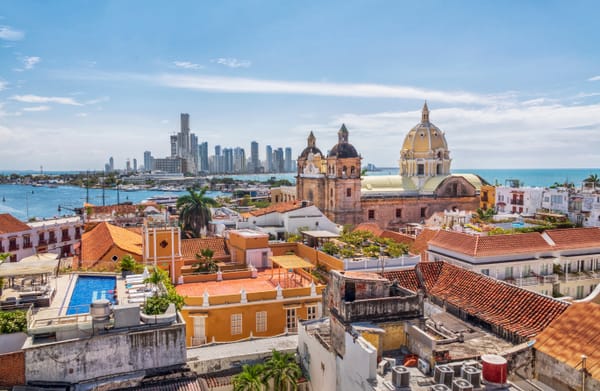
Lessons from Colombia: The Church That Worships from the Ground Up
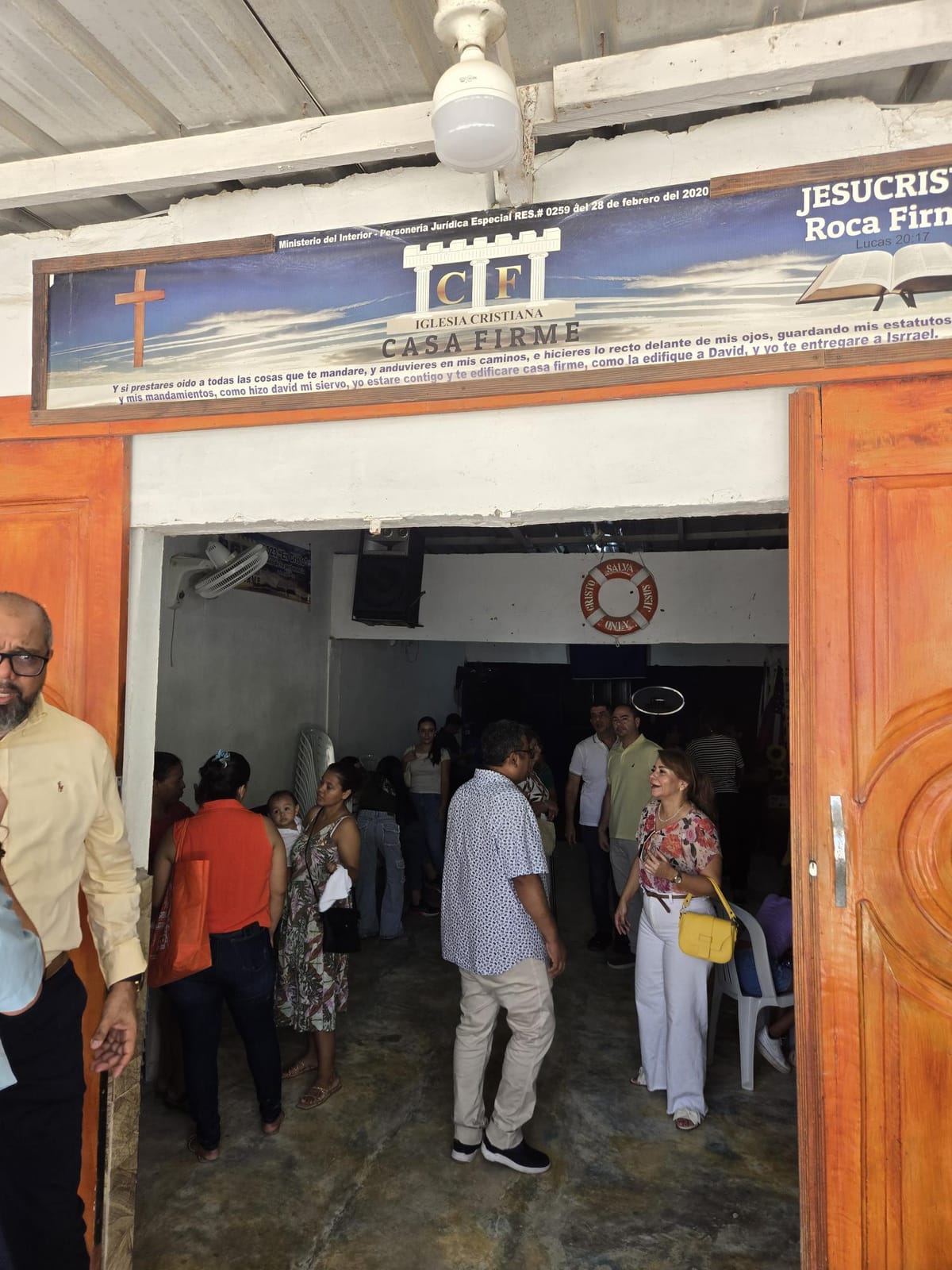
One of the things you notice quickly in many parts of Colombia is that the church is built very simply.
Sometimes the building is unfinished concrete.
Sometimes the chairs are plastic.
Sometimes the sound system barely works.
And sometimes there isn’t much music.
What there is — unmistakably — is worship.
Not the polished kind.
The kind that rises from the ground up.
Faith Without Infrastructure
In the United States, we often encounter Christianity through institutions that are well-developed.
Large buildings.
Professional staff.
Sophisticated technology.
Programs for every age group and life stage.
None of these things are inherently wrong. In many ways they are a blessing.
But they can also obscure something.
In places where resources are scarce, faith cannot rely on infrastructure. There are no elaborate systems holding it up.
The church exists because the people themselves believe.
Not because the lighting is good.
Not because the music is impressive.
Not because the building inspires awe.
The foundation is conviction.
Worship Without Performance
One of the most striking differences in the church community we visited was the absence of performance.
In the West, worship can sometimes drift toward production. Music becomes the central experience. Lighting, stage design, and sound quality become part of the emotional atmosphere.
In the Colombian church we visited, the focus was simpler.
Scripture was read.
Prayer was offered.
People listened.
There was music, but it was not the center of gravity.
The center was reverence.
People came to worship God, not to experience a moment.
And because of that, the atmosphere felt different — quieter perhaps, but also deeper.
Humility in the Presence of God
Another thing that stood out was humility.
In prosperous societies, faith sometimes becomes intertwined with success and personal identity. We speak often about achievement, growth, and influence.
In the church we visited, the posture was different.
People did not approach worship as an opportunity to demonstrate anything. They approached it as an act of dependence.
Many in the congregation faced difficult economic realities. Work was often uncertain. Resources were limited. Life required resilience.
And yet the tone of worship was not desperation.
It was gratitude.
There was a quiet recognition that every good thing ultimately comes from God.
That kind of humility changes the atmosphere of a church.
What Visitors Notice Immediately
When you step into a church like this as an outsider — especially as an American — you notice something almost immediately.
The faith feels unfiltered.
It is not shaped by cultural trends or technological expectations. It has not been refined through marketing or presentation.
It is simply lived.
People gather.
Scripture is read.
Prayer is offered.
Faith is practiced.
And because the structure around it is so minimal, the core becomes very visible.
You are looking directly at the foundation.
A Mirror for the Western Church
Experiences like this tend to act as a mirror.
They do not condemn the Western church. Our churches often do extraordinary work and serve communities in powerful ways.
But they do raise a question.
If everything external were stripped away — the buildings, the technology, the programs — what would remain?
Would our worship still stand?
Or have we unknowingly built too much of our spiritual life on the structures surrounding it?
The church in Colombia offered a quiet reminder:
The true church is not built from the top down.
It is built from the ground up.
What Real Worship Looks Like
Real worship does not depend on resources.
It depends on orientation.
A heart that recognizes God’s authority.
A community that gathers in reverence.
A posture of humility rather than performance.
These things require no technology.
They only require conviction.
Bringing the Lesson Home
When we returned home, the lesson that stayed with me was simple.
The strength of the church does not come from the sophistication of its environment.
It comes from the depth of its foundation.
Buildings matter. Organization matters. Leadership matters.
But beneath all of that, the church must be something simpler and stronger.
A people who worship God because He is worthy.
Not because the conditions are perfect.
The believers we met in Colombia understood this instinctively.
Their church was built from the ground up.
And because of that, it stood on very solid ground.