Colombia: Here We Come
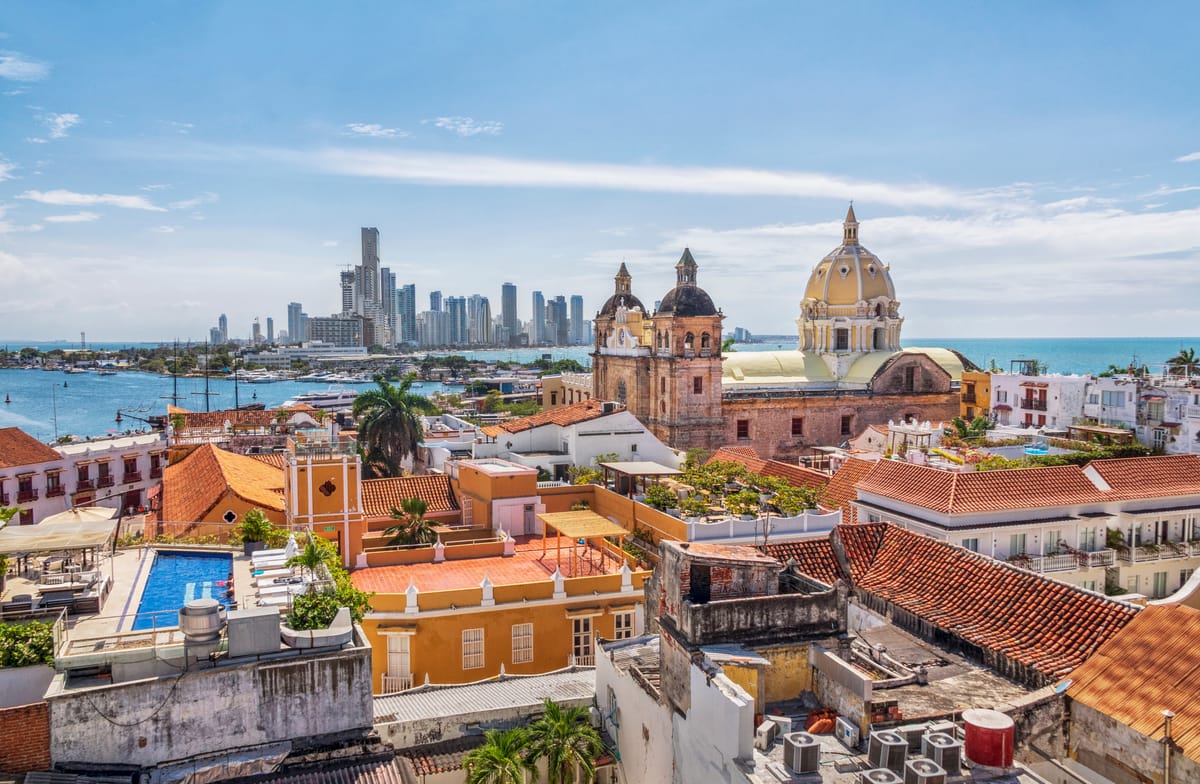
Colombia was not on my bucket list.
It wasn’t a place I’d romanticized, studied extensively, or even thought much about beyond the vague outlines most Americans carry around—coffee, cartels, beauty, danger, resilience. And yet, when the opportunity presented itself, the answer was immediate and unmistakable.
Go.
Not because it was convenient.
Not because it was glamorous.
But because it felt necessary.
At this stage of life, I’ve learned to pay attention to that distinction. The trips that matter most are rarely the ones you plan for years. They’re the ones that interrupt you, disrupt your routine, and quietly insist on being taken seriously.
That was Colombia.
The Context
The trip was framed as a missions opportunity, and in the most literal sense, that’s exactly what it was. But even before boarding the plane, it was clear this would not be a neat or sentimental experience. Colombia is not a place that lends itself to abstraction. It confronts you quickly—with beauty and disorder, warmth and risk, hospitality and hard edges—all at once.
It is a country shaped by extremes.
You feel it in the infrastructure.
You see it in daily life.
You sense it in conversations that carry both hope and caution in equal measure.
This was not going to be a trip about “finding myself.” It was going to be a trip about seeing clearly.
Expectation vs. Reality
Like most Westerners, I arrived with a set of assumptions—some fair, some lazy. What stood out almost immediately was how incomplete they were. Colombia did not fit neatly into the categories I’d unconsciously prepared for it.
It was neither the caricature of danger nor the romanticized portrait of resilience often sold to outsiders. It was something more complex: a society that has learned to function under pressure, where faith, family, and personal responsibility carry a weight that abstract institutions often fail to bear.
That tension—between fragility and strength—would become one of the defining themes of the trip.
Why This Matters
I didn’t go to Colombia to collect stories or images. I went because something in me recognized that comfort has limits—and that perspective requires friction.
Colombia offered that friction.
It challenged assumptions I didn’t realize I was carrying. It sharpened instincts that had dulled in predictability. And it reframed ideas about discipline, gratitude, and responsibility in ways that would continue unfolding long after I returned home.
This series isn’t an attempt to explain Colombia.
It’s an attempt to reflect on what it revealed.